
The Background and Development of Chinese Martial Arts
- Grant Mundy

- May 20
- 5 min read

The background and development of Chinese Martial Arts have a rich history over thousands of years and include a huge diversity of theories and techniques.
In these ancient times, people made use of cudgels to hunt wild animals and created various successful weapons like crude bows and spears to trap and kill prey, in order to feed their families.
Gradually they built up a repertoire of techniques that would later translate well to self-defense. When Shang Dynasty started, hunting was considered an essential practice.
Martial Arts in the Shang and Zhou Dynasties

During the Shang and Zhou Dynasties (from the 17th Century BC – 221 BC), fighting styles evolved, and included many form demonstrations, displaying the various tactics of each style of Kung Fu. Usually, the forms were utilised as a way to train soldiers and increase their morale.
Kung Fu: The Background of Chinese Martial Arts
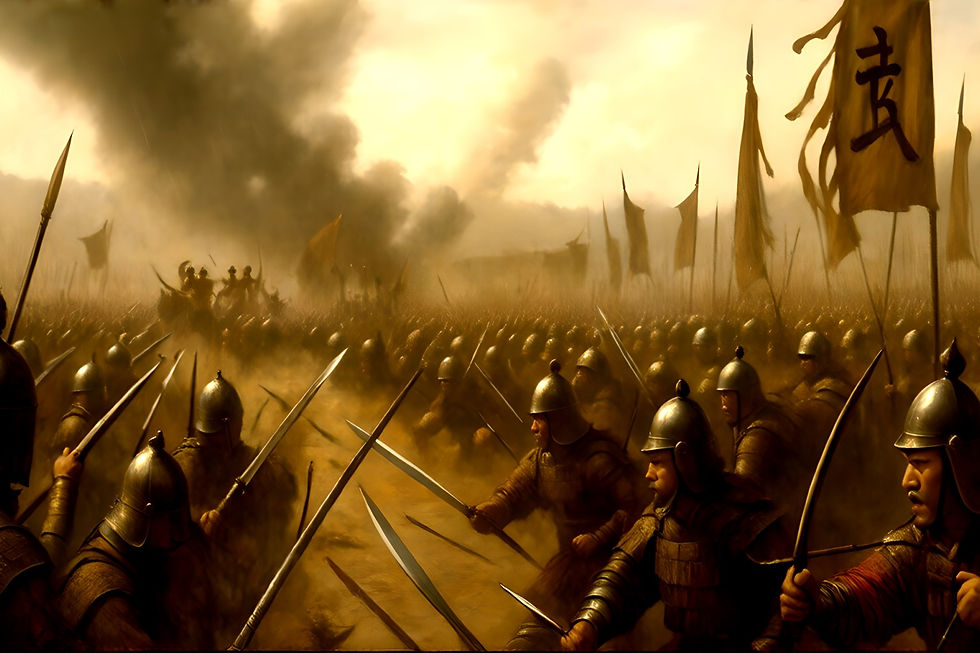
Throughout the Zhou Empire, martial arts forms were designated as a part of education and learning. The application of wrestling techniques, striking arts, and weapons for the battlefield got a lot of attention from numerous states during this period.
During this time the current emperor held bi-annual wrestling competitions, specifically during spring and autumn, in order to choose outstanding individuals of various fighting styles and recruit them for his army and personal guard. During this period, the development and refinement of sword forging and sword ceremonies rapidly advanced.
Martial Arts in the Qin and Han Dynasties
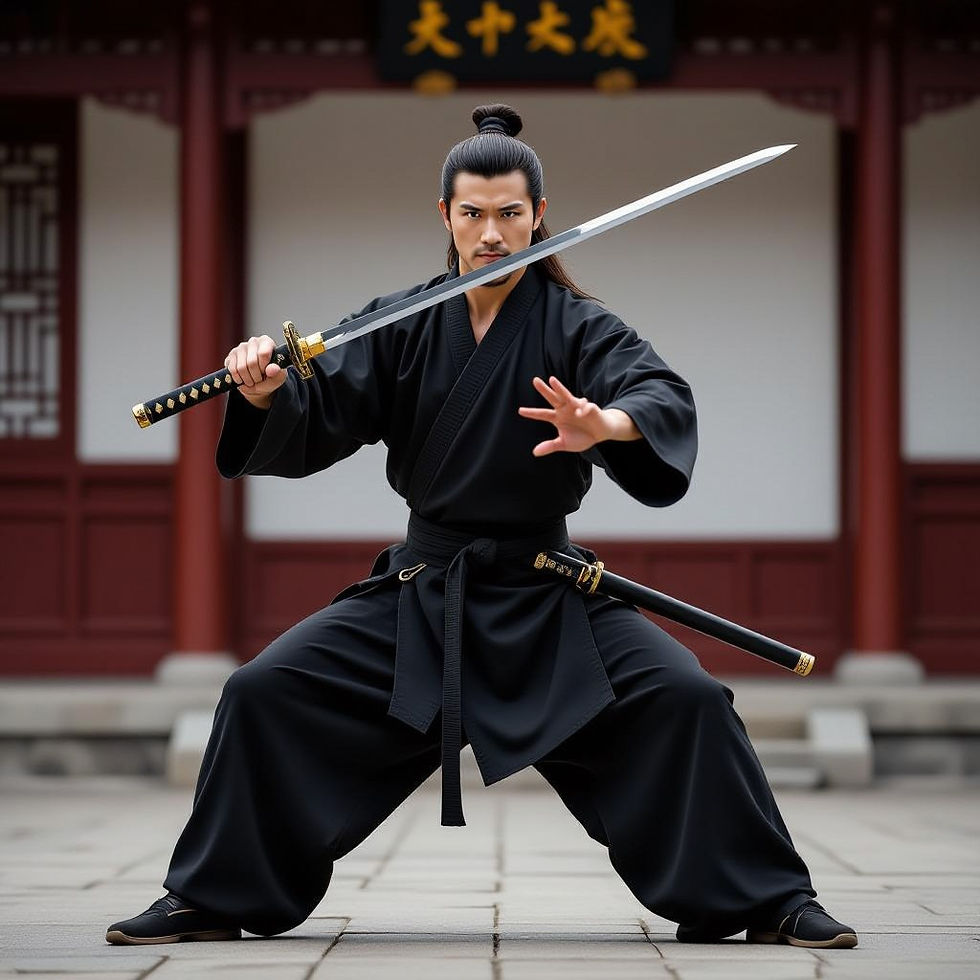
In Qin (221 BC – 207 BC) and also Han Dynasties (202 BC – 220 AD), wrestling, swordplay, and also martial arts form demonstrations were extremely popular. A popular event during this period was Xiang Zhuang’s ‘Sword Form Display’ during the Hongmen Banquet.
His efficiency, speed and grace were extremely well regarded and began a tradition that today’s martial arts continue to follow, with large public events and celebrations often including martial arts performances.
The development of spear play during the Han Empire reached its peak, and was an integral part of training for soldiers, as a way to combat cavalry on the battlefield. It is claimed the Five Animals martial art and Qigong was another innovation created by Hua Tuo, furthering the advancement of Chinese martial arts.
Kung Fu during the Tang Dynasty

Beginning with the Tang Dynasty (618 – 907), a rigorous Kung Fu curriculum was created and implemented. Outstanding candidates would get titles and awards via tournaments and competitions, vastly propelling the growth of martial arts across China.
During this time martial arts had evolved so much that it was considered an independent art form, and an important part of Chinese culture. It was progressively introduced to many nations in Southeast Asia. Today Kung Fu has been recognised as the ancestor of many modern martial arts styles including kickboxing, karate, aikido, and judo.
Martial Arts during the Song and Yuan Dynasties
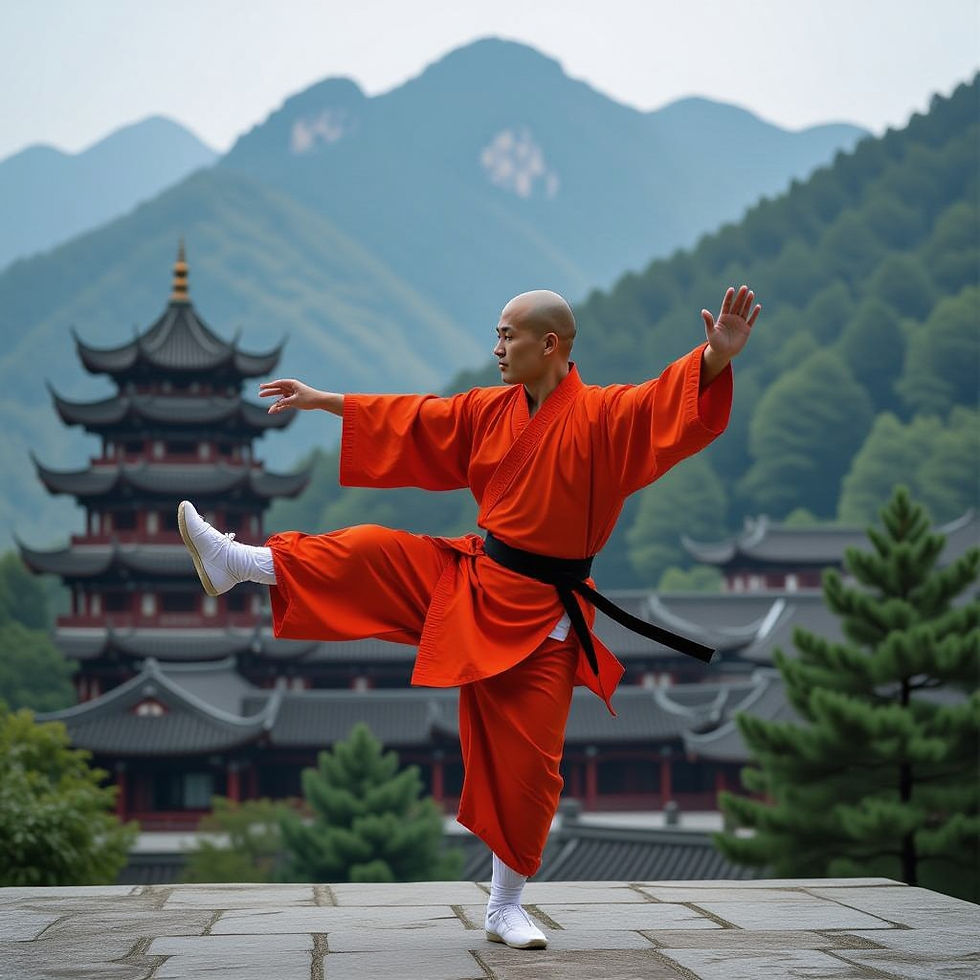
The Song (960 – 1279) and Yuan Dynasties (1206 – 1368) saw the rapid growth of Martial Arts popularity in China. The techniques of Kung Fu were adopted by civil organisations, and practice outside of traditional military training regimens became more and more popular.
Some clubs and organisations fixated on the use of the spear and cudgel, and were referred to as the Yinglue Organisation; while others preferred the practice of archery, and became known as the Arching Organisation. In addition to these two organisations, another group emerged, known as the Luqi People.
They made a living by travelling and performing martial arts all around the nation. Normally their efficiency was demonstrated through solo and partner performances.
Kung Fu during Ming and Qing Dynasties
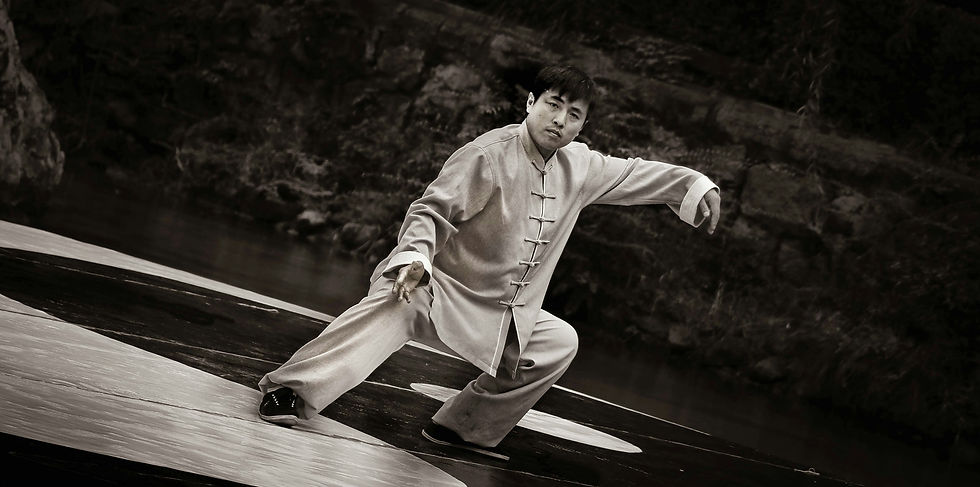
Chinese Kung Fu accomplished further advancement during the Ming (1368 – 1644) and Qing (1636 – 1911) Dynasties.
Throughout the Ming Dynasty, Kung Fu began to be captured in the written word, detailing the techniques and traditions of various fighting styles, which were then published and distributed in China.
During the Qing Dynasty, the ruling empire prohibited the practice of martial arts or fighting disciplines, and the Kung Fu faithful had to establish numerous secret societies and underground groups in order to continue to practice covertly.
As a result, many different schools of martial arts came into being, such as Tai Chi (The Grand Ultimate Fist), Xing Yi (Mind Intent Fist) Baguazhang (The Eight Trigram Palm), Meihuaquan (Plum Blossom Fist) and so on.
Therefore, it is widely recognised that the Qing Empire was the time of integration amongst various martial arts genres. Masters would meet in secret to share their skills and diversify their styles, creating complete systems that covered all aspects of combat.
Wrestling techniques were introduced into fighting styles that previously practiced only weapons or empty hand striking, facilitating an evolution and maturation of fighting styles. This period is also the time when martial arts were categorised, into styles that were more for appreciation of the athletic performance, than those that were intended for real combat.
Kung Fu in Modern Times
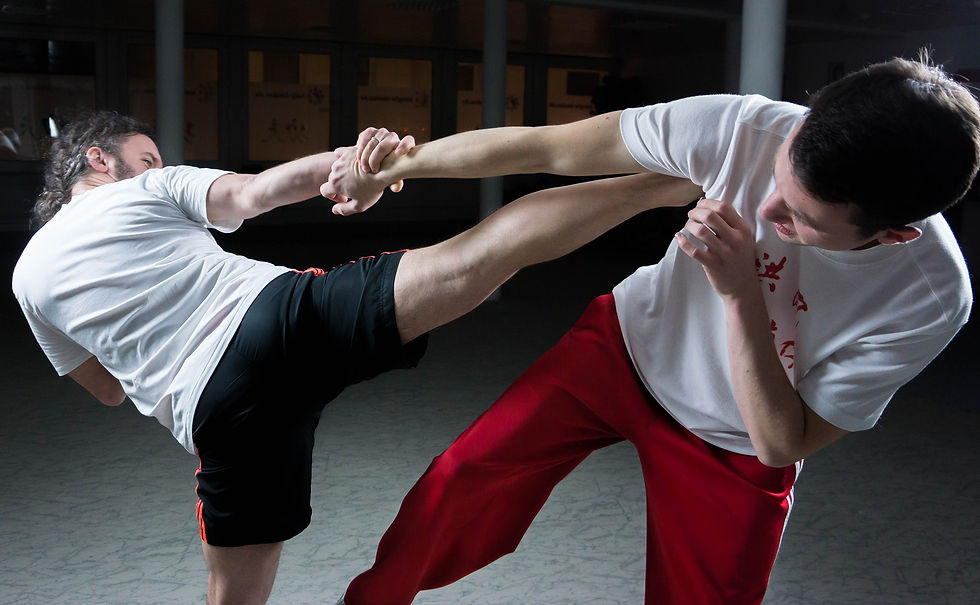
In 1927, the Central National Martial Arts Society was created. In August 1936, a Chinese Martial Arts organisation travelled to Berlin to take part in the Olympic Games.
In 1956, the Chinese Martial Arts Organisation created National Martial Arts Teams.
In 1985, International Martial Arts Invitational Event was held in Xi’an, which culminated in the establishment of the International Martial Arts Organisation.
In 1987, the first Asian Martial Arts Tournament was held in Hengbin. In 1990, martial arts were for the very first time listed as a competitive event, in the 11th Asian Games.
In 1999, the International Martial Arts League was invited to become a member of the International Individual Events Federation, by the International Olympic Committee.
That was a great moment for Chinese Kung Fu and an indicator that Martial Arts would become a recognised sport worldwide.
Today there are many Martial Arts schools all over the world that teach various forms of Chinese Martial Arts, making it far easier for those of us in western society who love the speed, fluidity, gracefulness and mystery of Kung Fu, to find a way to start practising the art themselves.
Once shrouded in mystery and unattainable for those living outside of China to learn, the art now has international recognition and is one of the world’s most popular martial arts disciplines.
Learn Martials at Wu Xing Dao Kung Fu
At Wu Xing Dao Kung Fu, we believe in paying respect to the traditions of traditional Chinese Internal Arts as much as we believe in continuing to learn, grow and evolve our art to allow future generations to learn and appreciate the amazing art of Kung Fu.
If you want to learn more about Kung Fu training and the health benefits of martial arts, check out Wu Xing Dao Kung Fu. At Wu Xing Dao Kung Fu, we are keeping the spirit and traditions of this amazing Martial Art alive and sharing the training methods with the next generation of Kung Fu practitioners.
To learn more about Wu Xing Dao Kung Fu, please call us today on 0410 249 217 or leave a message and we’ll get back to you ASAP.


Comments